

Valentin Viennot
13 posts

In today’s rapidly changing digital environment, the significance of robust Docker container security measures cannot be overstated. Even the containerised layer is subject to compliance standards, which raise security concerns and compliance requirements.

In a previous post, I explained how we made our Ubuntu image 15 times smaller by chiselling a specific slice of Ubuntu for .NET developers. In this blog, I will provide step-by-step instructions on customising your chiselled Ubuntu base images for any use case. Chiselled Ubuntu containers combine Distroless and Ubuntu to create smaller, m

Last August, we announced 6 MB-size Ubuntu base images designed for self-contained .NET applications — we called them “chiselled Ubuntu”. How did we make our Ubuntu base images 15 times smaller? And how can you create your own chiselled Ubuntu images? In this blog, I explain the idea behind Distroless container images, which inspired us
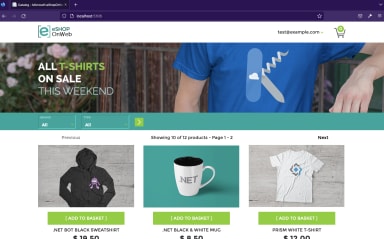
Looking for a way to improve the performance and reliability of your online shopping and payment systems during the holiday season? Look no further than chiselled Ubuntu images! In this blog series, I’ve already discussed the benefits of using these lightweight and efficient images for your containerised applications. In this second part,

As we enter the holiday season, online shopping and payment systems are gearing up for higher traffic and workloads. Ensuring that these applications can handle the increased demand without slowing down or crashing is critical for providing a smooth and efficient experience for customers. One way to improve the performance and reliability

The heart of open source will be beating in Austin and streamed online for the Open Source Summit North America, taking place on 20-25 June 2022. Open Source Summit is the premier event for open source developers, technologists, and community leaders. It’s a great venue to collaborate, share information, solve problems, and take open sour

Canonical’s UA and Pro customers can now fully benefit from their subscriptions directly in containerised environments and pipelines. The new UA client release (27.7+) makes it easier to enable FIPS mode in Ubuntu containers. It also automatically signs up CI/CD builds for 10-year security updates to never worry about production container
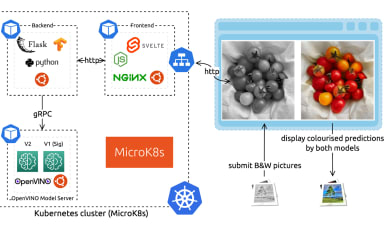
This blog is the last part of a series – don’t miss parts one and zero. We’re on a mission to demonstrate OpenVINO™ on Ubuntu containers; from the consistently outstanding developer experience to the added trust to your software supply chain. In this blog, I’ll guide you on your way to building and deploying an
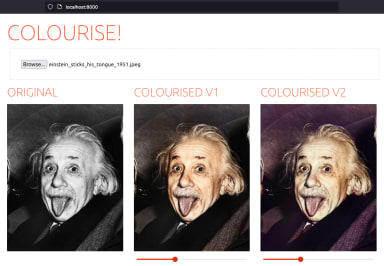
Christmas is coming, but you don’t have a present on hand for your (grand)parents (Mom, Dad, if you’re reading this – I promise this post isn’t drawn from real life!). Looking for a solution? If your loved ones happened to live through the era of monochrome photography, keep reading. You can work some magic with

Intel and Canonical collaborate to build and publish OpenVINO™ container images based on the Ubuntu ecosystem. This work aims to provide trusted, secure, and developer-friendly container images for AI/ML applications in many industries. The provenance challenge facing cloud software Today, cloud-native developers benefit from an abundance

May 27th will be Canonical’s first time as a DockerCon sponsor. That’s exciting! Since our joint announcement back in November, the relationship between Canonical and Docker has become stronger as more projects arise. There’s still a lot to be done in a cloud-native world to make Open Source available to everyone in its purest form.

It’s re:invent season already, and we had exciting news to announce with Amazon this year. With all these remote sessions, what’s better than a quick lab to play with the new stuff? It’s starting to feel like Christmas already! We’re going to kill two birds with one stone (just an idiom, keep reading) and experiment
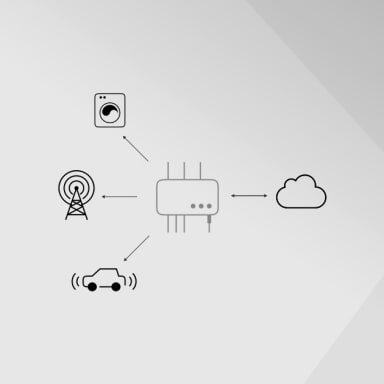
“The King is dead, long live the King.” It might be my french roots speaking, but it seems that actual use cases are replacing King Edge, and it might be for the best. Warning; do not read this blog if you’re particularly sensitive about edge computing (and if you don’t know what this is about,